

Finding the right breakfast franchise opportunity is one of the smartest ways to scale a business, but it only works if you do your homework first. You aren't just opening a single shop; you’re buying into an entire operational ecosystem. In competitive industries, the gap between a highly profitable regional footprint and a massive headache comes down to system quality. Asking the right questions early protects your capital and ensures you partner with a brand that can actually support your long-term growth goals.
Why Asking the Right Questions Before Buying a Franchise Matters
Before putting your money into any brand, you have to tear the business model apart. Deep upfront research is what separates smart portfolio builders from people who just buy a recognizable name. The franchising world is crowded. A concept might look great to customers on Saturday morning, but its internal corporate culture, support networks, and raw unit economics are what actually dictate your return on investment.
Digging into the details early lets you weed out concepts that rely on short-term private equity tricks to cut corners. Instead, you can focus on sustainable, founder-led growth. This evaluation phase shows you how a concept handles real-world economic pressures, giving you a clear picture of how your capital will perform in your target market.
Questions to Ask About Franchise Costs and Financial Expectations
Understanding the financial health of a franchise system is the foundation of your investment strategy. You need to look past the initial franchise fee and look closely at the actual unit-level economics to see if the brand’s performance matches your growth goals.
- What is the brand’s Average Unit Volume (AUV)? High-performing concepts, especially a premier breakfast franchise opportunity, can clear an impressive AUV of $2.7 million. A strong, consistent AUV means real market demand and a model that works (2026 FDD, Item 19).
- What are the ongoing royalty and marketing fees? These are usually a percentage of your gross sales. They directly impact your monthly cash flow, so you need to bake them right into your financial models.
- How long does it take for a new location to become profitable? No brand can guarantee success, but reviewing the historical data in the Franchise Disclosure Document (FDD) gives you a realistic baseline.
- Are there multi-unit incentives? If you plan on developing an entire region, ask about reduced fees for committing to multiple locations upfront so you can deploy your capital efficiently.
Questions to Ask About Training and Franchise Support
A franchise investment is only as good as the corporate infrastructure backing it up. As a multi-unit owner, you won't be managing the daily operations of every single store yourself. That means the brand’s training systems must be strong enough to onboard and keep top-tier management teams.
- What does the initial training pipeline look like? You want to make sure they offer comprehensive, hands-on programs for you, your senior operations managers, and your local leadership teams.
- How does the corporate team handle ongoing support? Look for brands with dedicated field consultants who actually visit your locations to help optimize labor costs, manage food waste, and keep standards high.
- What systems are in place for technology and the supply chain? A modern restaurant franchise needs sophisticated platforms to streamline back-of-house work. Check out how their infrastructure handles tech, sourcing, and training to ensure your local teams can run smoothly.
- Is the brand founder-led or private-equity backed? A founder-led, non-PE brand typically prioritizes long-term operator support, whereas private equity often focuses on short-term flips that sacrifice system stability.
Questions to Ask About Territory and Competition
Territory rights can make or break a multi-unit development deal. You need to know exactly where you can grow, how your geographic footprint is protected, and how the brand plans to compete locally.
- Are there available territories in my target area? Before getting too deep into a brand, make sure they actually have open markets where you operate. Mapping out available territories early helps you build a realistic multi-year expansion plan.
- What kind of territorial protection do I get? Make sure other franchisees from the same brand cannot open a location right down the street and cannibalize your sales.
- How does the concept perform against local competition? If you are looking into breakfast franchising, evaluate how the brand stands out from traditional mom and pop restaurants or fast-casual morning spots.
- Who handles site selection and lease negotiation? The corporate team should provide data-driven real estate support, using demographic modeling to help you evaluate the highest-traffic locations.
How Much Does It Cost to Become a Franchise Owner
The total cost of investing in franchises varies depending on the industry, your location, and the size of the building.
For a premium casual dining or breakfast concept, a typical financial profile requires a minimum net worth of around $1.5 million and at least $500,000 in liquid assets. Many franchisees fund their restaurants with capital from their existing businesses, while others prefer to work with a lender. Ask if the brand you’re considering has lender relationships in place.
While some entrepreneurs search for the best franchises to own with low investment, experienced multi-unit operators know that higher initial costs usually mean larger footprints, higher visibility, and much stronger AUVs. Investing more upfront in a premium brand frequently yields much stronger, more scalable long-term revenue across a high-performing concept.
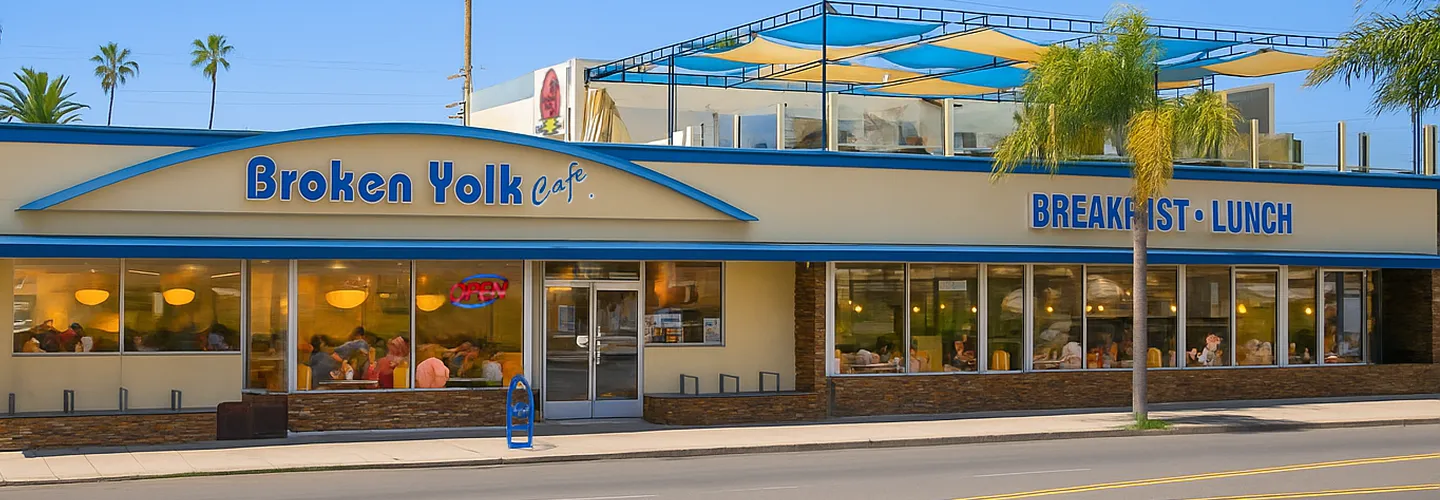
If you’re ready to expand your portfolio with an established, founder-led, non-PE brand that delivers a $2.7 million average AUV and a daytime-only operational model, Broken Yolk Cafe fits the profile. Reach out to our team today to discover how our structured support systems and prime market opportunities can accelerate your regional growth.
%20(1).jpg)
%20(1).jpg)
.jpg)